


Singapore Johor Travel: 5 Notable Changes to Watch
Singapore Johor Travel Is Entering a New Phase
Singapore Johor Travel is unlikely to change because of one single project. Instead, several developments are happening at the same time — from the RTS Link between Johor Bahru and Singapore to the wider Johor-Singapore Special Economic Zone (JS-SEZ).
The scale of the existing connection is already significant. Johor recorded 19.38 million visitor entries from Singapore in 2025, making Singapore its largest source market for visitors.
For businesses in Johor Bahru and elsewhere in Johor, the more useful question is therefore not whether Singapore Johor Travel will change, but what parts of the customer journey may change first.
Here are 5 developments worth watching.
1. Singapore Johor Travel Is Moving Beyond the Causeway
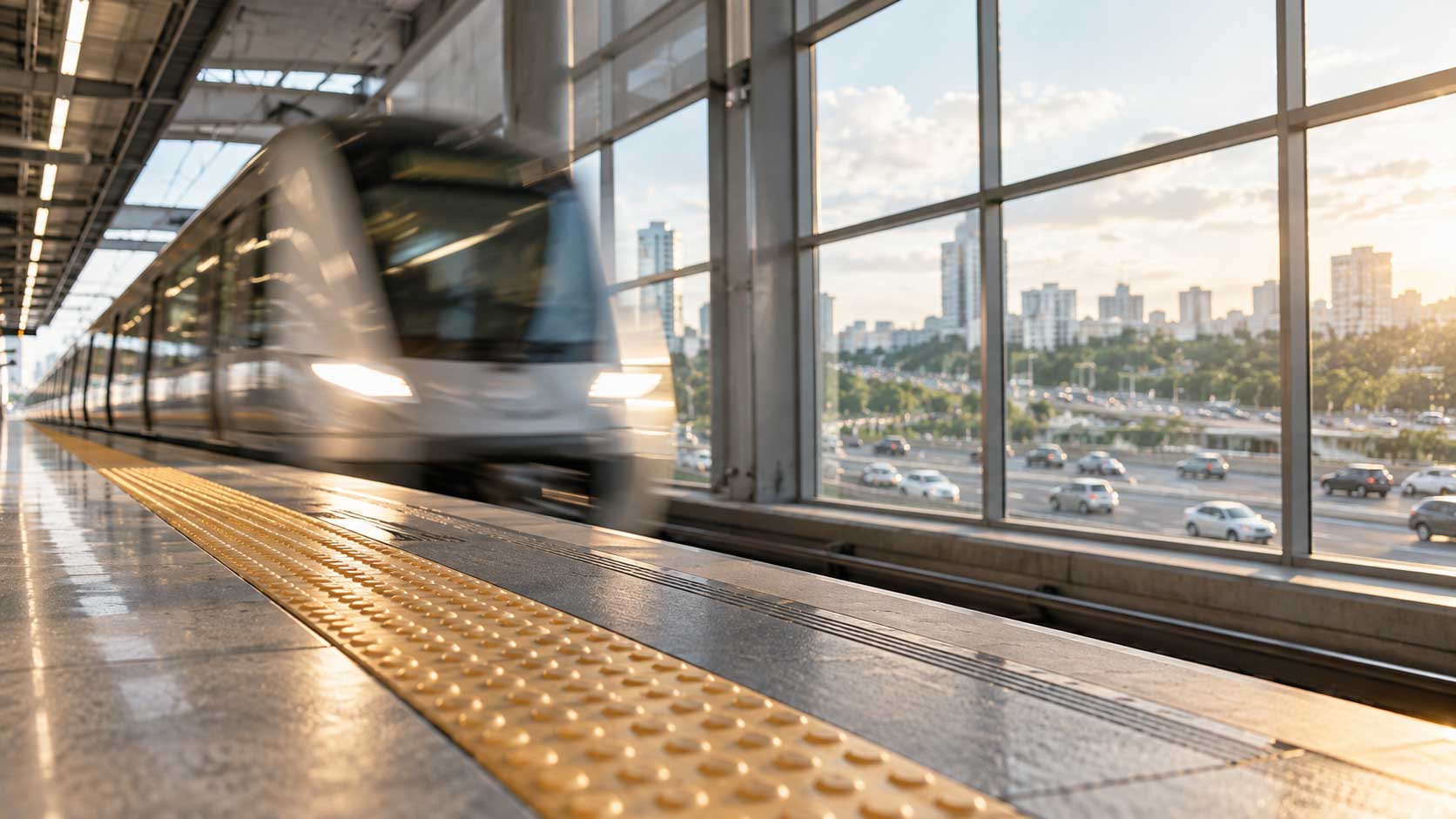
The biggest change to Singapore Johor Travel is the arrival of a new rail connection between Woodlands North in Singapore and Bukit Chagar in Johor Bahru.
The RTS Link is designed to carry up to 10,000 passengers per hour in each direction, with a train journey of about five minutes between the two stations. Both stations will also have co-located Customs, Immigration and Quarantine facilities, meaning passengers will clear immigration at their departure point.
The official target has been December 2026, although recent reporting in August 2026 described the expected launch as January 2027. That makes the exact opening date something worth watching rather than treating as fixed.
For Singapore Johor Travel, the important point is that visitors will have another way to cross the border. That does not mean cars and buses will suddenly become irrelevant, but it does give commuters and visitors an additional option.
2. Cross-Border Travel Trends Are Starting From an Already Large Market
Cross-border travel trends between Singapore and Johor are not developing from a small or occasional visitor base.
Tourism Johor reported more than 19.3 million visitor entries from Singapore in 2025, while Singapore remained Johor’s largest source market. In the first half of 2025 alone, Singapore visitors accounted for more than 78% of Johor’s foreign visitor entries according to figures reported by the state tourism authorities.
That context matters when looking at Singapore Johor commuter patterns. The RTS Link is not creating the connection between the two places from scratch; it is being added to an established movement of commuters, shoppers, tourists, patients and other visitors.
For businesses, that means cross-border travel trends should be viewed as an existing market that may become easier to access, rather than a completely new audience appearing overnight.
3. How Travel Between Singapore and Johor Is Changing Is Also Linked to the JS-SEZ
How travel between Singapore and Johor is changing cannot be separated entirely from the wider economic relationship between the two places.
The Johor-Singapore Special Economic Zone (JS-SEZ) was established through an agreement signed in January 2025. The initiative covers areas across southern Johor and focuses on attracting investment while improving cooperation in areas such as movement of people and goods, talent development and ease of doing business.
The JS-SEZ covers locations including Johor Bahru, Iskandar Puteri, Pasir Gudang, Kulai, Pontian and Pengerang, alongside other designated areas within the broader zone.
This gives Singapore Johor Travel a wider economic context. Cross-border movement is not only about weekend trips or commuting; it is also connected to business activity, investment, logistics and employment between Singapore and Johor.
That does not mean every business in Johor will experience the same effect. The practical impact will depend on location, industry and how closely a business is connected to these cross-border activities.
4. Singapore Johor Commuter Patterns May Become More Diverse

Singapore Johor commuter patterns may also become less dependent on a single mode of transport once the RTS Link is operating.
Today, road crossings remain an important part of Singapore Johor Travel, particularly for people travelling by private car, motorcycle, bus or commercial vehicle. The RTS Link adds another option rather than replacing the existing network altogether.
Earlier official estimates suggested that the RTS Link could help shift a portion of Causeway traffic to rail, with a capacity of up to 10,000 passengers per hour in each direction. MRT Corp previously said the system could absorb at least 35% of Causeway traffic based on pre-pandemic traffic levels, although that was a projection rather than a guaranteed outcome.
This is why cross-border travel trends are worth watching over time. The interesting question is not simply whether road traffic will fall, but how people may divide their journeys between cars, motorcycles, buses and rail.
5. What Changing Singapore Johor Travel Could Mean for Johor Businesses
For businesses in Johor Bahru, the most practical change may not be the transport system itself but the information customers need before making a trip.
As Singapore Johor Travel becomes more connected, businesses may need to make basic access information easier to understand: where the business is, how far it is from Bukit Chagar or a checkpoint, which transport options are practical, whether parking is available, and what customers can expect when they arrive.
This is especially relevant to businesses serving Singapore visitors, whether they operate in retail, food and beverage, healthcare, beauty, professional services or tourism.
A useful starting point is to make sure the business information customers see online is accurate and consistent. Google’s guidance on local search also highlights the importance of complete business information and factors such as relevance, distance and prominence.
For businesses that want to understand the customer side of this shift, our guide to how Singaporeans search for Johor businesses looks at what cross-border visitors may need to know before they make the trip.
What This Means for Johor
The bigger picture is that Singapore Johor Travel is becoming more connected through several developments at once. The RTS Link is adding a new rail connection, the JS-SEZ is deepening economic cooperation, and Johor already receives a substantial number of visitors from Singapore.
That does not mean every part of Johor will change at the same pace. Johor Bahru, particularly areas around Bukit Chagar and the existing border crossings, is more directly connected to the immediate transport changes than businesses further away.
For local businesses, the sensible response is not to predict exactly what will happen. It is to make sure customers from Singapore can easily understand where you are, what you offer and how to reach you as the cross-border landscape develops.
If you are reviewing your online presence, JPress works with businesses across Johor on website development and local SEO — get in touch if you’d like an honest look at how your business currently appears online.




Singapore Johor Travel: 5 Notable Changes to Watch
Singapore Johor Travel Is Entering a New Phase
Singapore Johor Travel is unlikely to change because of one single project. Instead, several developments are happening at the same time — from the RTS Link between Johor Bahru and Singapore to the wider Johor-Singapore Special Economic Zone (JS-SEZ).
The scale of the existing connection is already significant. Johor recorded 19.38 million visitor entries from Singapore in 2025, making Singapore its largest source market for visitors.
For businesses in Johor Bahru and elsewhere in Johor, the more useful question is therefore not whether Singapore Johor Travel will change, but what parts of the customer journey may change first.
Here are 5 developments worth watching.
1. Singapore Johor Travel Is Moving Beyond the Causeway
The biggest change to Singapore Johor Travel is the arrival of a new rail connection between Woodlands North in Singapore and Bukit Chagar in Johor Bahru.
The RTS Link is designed to carry up to 10,000 passengers per hour in each direction, with a train journey of about five minutes between the two stations. Both stations will also have co-located Customs, Immigration and Quarantine facilities, meaning passengers will clear immigration at their departure point.
The official target has been December 2026, although recent reporting in August 2026 described the expected launch as January 2027. That makes the exact opening date something worth watching rather than treating as fixed.
For Singapore Johor Travel, the important point is that visitors will have another way to cross the border. That does not mean cars and buses will suddenly become irrelevant, but it does give commuters and visitors an additional option.
2. Cross-Border Travel Trends Are Starting From an Already Large Market
Cross-border travel trends between Singapore and Johor are not developing from a small or occasional visitor base.
Tourism Johor reported more than 19.3 million visitor entries from Singapore in 2025, while Singapore remained Johor’s largest source market. In the first half of 2025 alone, Singapore visitors accounted for more than 78% of Johor’s foreign visitor entries according to figures reported by the state tourism authorities.
That context matters when looking at Singapore Johor commuter patterns. The RTS Link is not creating the connection between the two places from scratch; it is being added to an established movement of commuters, shoppers, tourists, patients and other visitors.
For businesses, that means cross-border travel trends should be viewed as an existing market that may become easier to access, rather than a completely new audience appearing overnight.
3. How Travel Between Singapore and Johor Is Changing Is Also Linked to the JS-SEZ
How travel between Singapore and Johor is changing cannot be separated entirely from the wider economic relationship between the two places.
The Johor-Singapore Special Economic Zone (JS-SEZ) was established through an agreement signed in January 2025. The initiative covers areas across southern Johor and focuses on attracting investment while improving cooperation in areas such as movement of people and goods, talent development and ease of doing business.
The JS-SEZ covers locations including Johor Bahru, Iskandar Puteri, Pasir Gudang, Kulai, Pontian and Pengerang, alongside other designated areas within the broader zone.
This gives Singapore Johor Travel a wider economic context. Cross-border movement is not only about weekend trips or commuting; it is also connected to business activity, investment, logistics and employment between Singapore and Johor.
That does not mean every business in Johor will experience the same effect. The practical impact will depend on location, industry and how closely a business is connected to these cross-border activities.
4. Singapore Johor Commuter Patterns May Become More Diverse
Singapore Johor commuter patterns may also become less dependent on a single mode of transport once the RTS Link is operating.
Today, road crossings remain an important part of Singapore Johor Travel, particularly for people travelling by private car, motorcycle, bus or commercial vehicle. The RTS Link adds another option rather than replacing the existing network altogether.
Earlier official estimates suggested that the RTS Link could help shift a portion of Causeway traffic to rail, with a capacity of up to 10,000 passengers per hour in each direction. MRT Corp previously said the system could absorb at least 35% of Causeway traffic based on pre-pandemic traffic levels, although that was a projection rather than a guaranteed outcome.
This is why cross-border travel trends are worth watching over time. The interesting question is not simply whether road traffic will fall, but how people may divide their journeys between cars, motorcycles, buses and rail.
5. What Changing Singapore Johor Travel Could Mean for Johor Businesses
For businesses in Johor Bahru, the most practical change may not be the transport system itself but the information customers need before making a trip.
As Singapore Johor Travel becomes more connected, businesses may need to make basic access information easier to understand: where the business is, how far it is from Bukit Chagar or a checkpoint, which transport options are practical, whether parking is available, and what customers can expect when they arrive.
This is especially relevant to businesses serving Singapore visitors, whether they operate in retail, food and beverage, healthcare, beauty, professional services or tourism.
A useful starting point is to make sure the business information customers see online is accurate and consistent. Google’s guidance on local search also highlights the importance of complete business information and factors such as relevance, distance and prominence.
For businesses that want to understand the customer side of this shift, our guide to how Singaporeans search for Johor businesses looks at what cross-border visitors may need to know before they make the trip.
What This Means for Johor
The bigger picture is that Singapore Johor Travel is becoming more connected through several developments at once. The RTS Link is adding a new rail connection, the JS-SEZ is deepening economic cooperation, and Johor already receives a substantial number of visitors from Singapore.
That does not mean every part of Johor will change at the same pace. Johor Bahru, particularly areas around Bukit Chagar and the existing border crossings, is more directly connected to the immediate transport changes than businesses further away.
For local businesses, the sensible response is not to predict exactly what will happen. It is to make sure customers from Singapore can easily understand where you are, what you offer and how to reach you as the cross-border landscape develops.
If you are reviewing your online presence, JPress works with businesses across Johor on website development and local SEO — get in touch if you’d like an honest look at how your business currently appears online.


