


Why Do Some AI Food Images Look So Strange?
Have you ever looked at an AI-generated food image and thought, “Wait, why does that look so weird?”
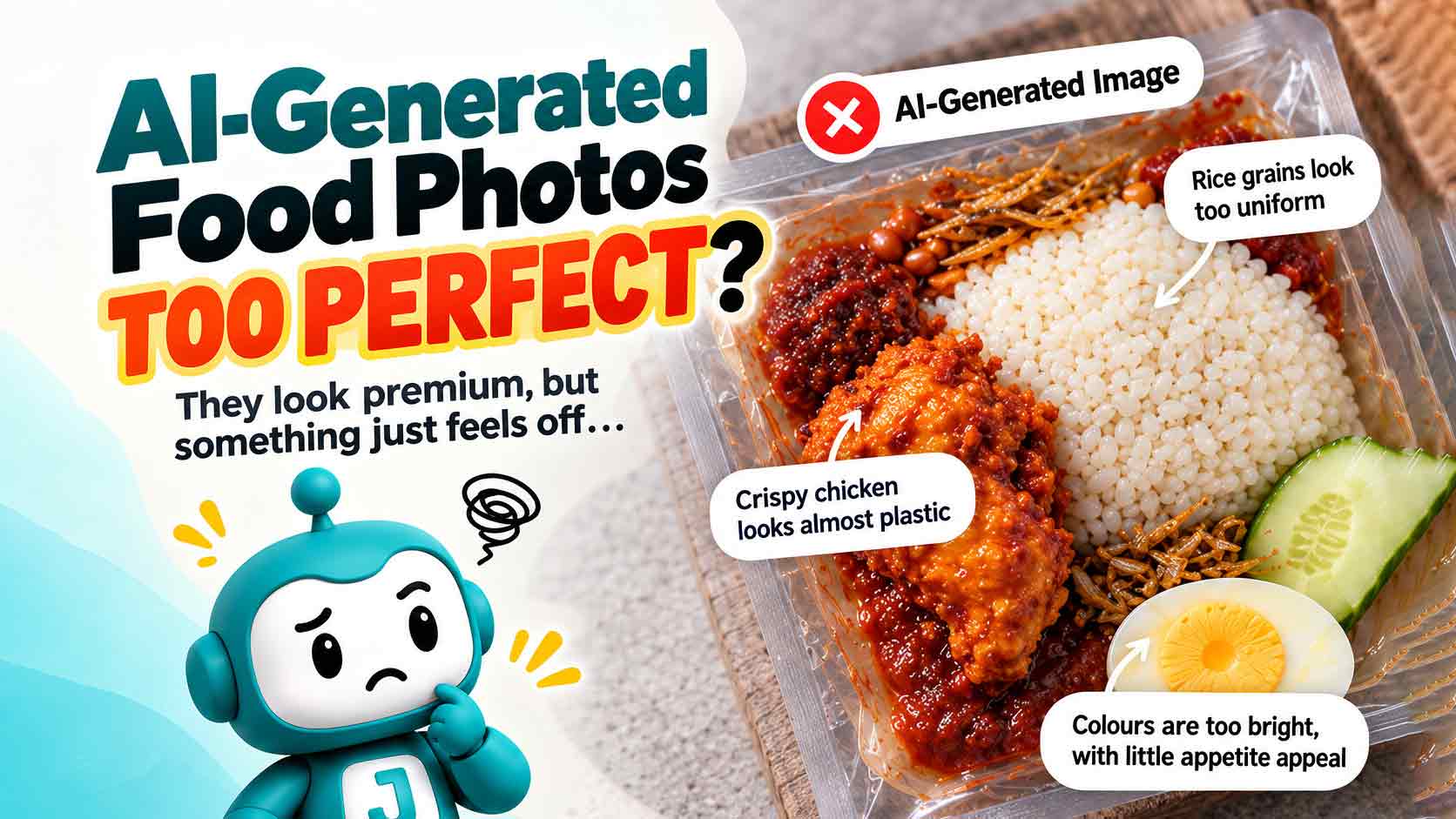
I’ve seen quite a few AI Food Images lately, and some of them look amazing at first glance. But the longer you look, the stranger they get. Fried chicken with a surface full of tiny bumps, steak that looks a little too shiny, or desserts that seem almost too perfect to be real.
While AI Food Images can look impressive, they don’t always get the details right. And when it comes to food, those little details can make a big difference.
So, why do some AI food images look strange? Let’s take a closer look.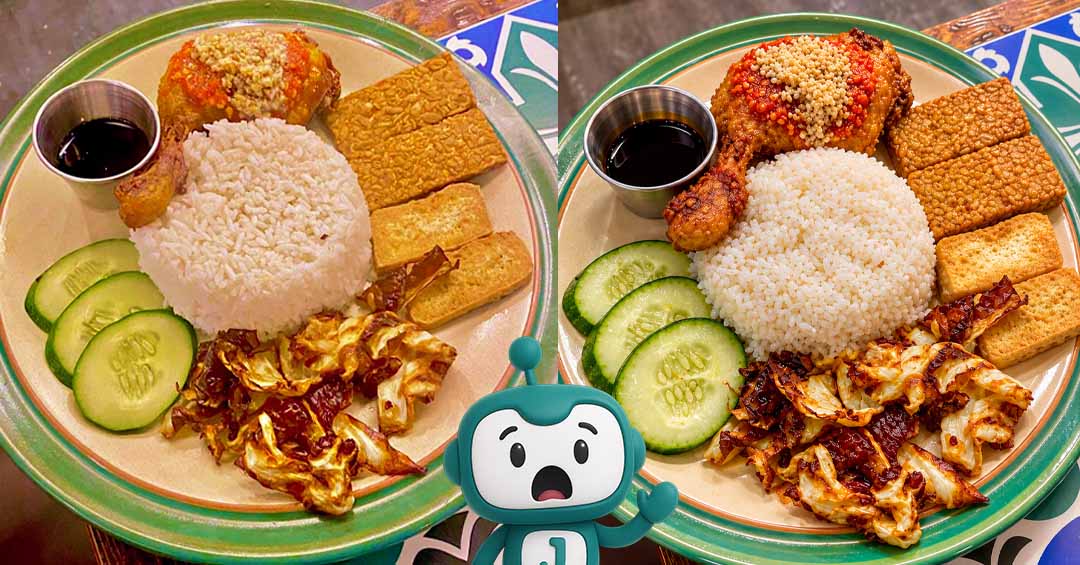
5 Common Reasons AI Food Images Look Strange
1. The Food Texture Looks Wrong
One common problem with AI Food Images is that the food texture doesn’t always look right. You know how crispy fried chicken should look crunchy, with an uneven coating? Or how a freshly baked cake should look soft and moist?
Sometimes, AI gets these textures wrong. The surface of fried chicken might look like tiny bubbles instead of crispy skin. Meat might look unusually smooth, almost like plastic, while bread or pastries may have strange patterns that don’t look natural.
These details might seem small, but they can change the whole impression of an image. Even if the lighting and colours look great, an unnatural texture can make the food look less appetising.
2. The Shapes Just Don’t Make Sense
Food doesn’t usually come in perfectly identical shapes. Vegetables have natural variations, noodles overlap in different ways, and pieces of meat have their own unique textures.
AI-generated food images don’t always get these details right. You might see noodles that seem to melt into each other, ingredients with unusual shapes, or pieces of meat that look a little too strange to be real.
At first, you might not notice anything wrong. But once you look more closely, something just feels off.
And that’s often what makes an AI food image look weird. It isn’t necessarily the whole picture. Sometimes, it’s just one or two details that don’t make sense.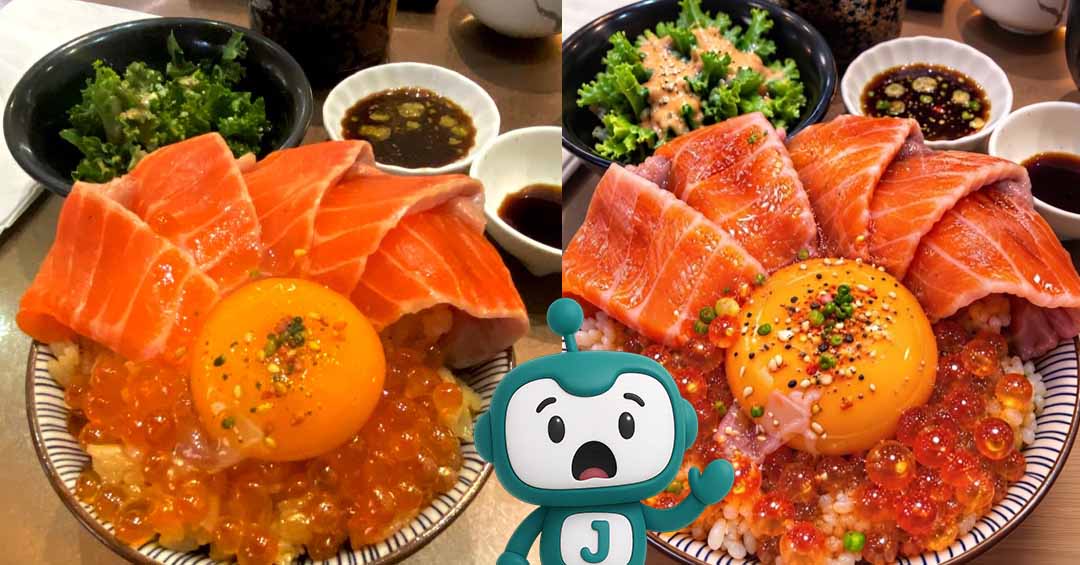
3. Everything Looks a Little Too Perfect
There’s nothing wrong with a beautiful food photo. Good lighting, thoughtful styling, and a nice composition can make almost any dish look more appealing.
But sometimes, AI takes things a little too far.
A burger might have perfectly arranged ingredients, a cake might have decorations that look almost identical, and every item on the plate might look flawless. Instead of making the food look delicious, the image can start to feel more like a digital illustration.
Real food has little imperfections, and that’s perfectly normal. Those small differences can make a dish look more natural and believable.
The goal isn’t to make food look messy. It’s to make sure it still looks like something you could actually order and eat.
4. The Colours and Shine Look Unrealistic
A little shine can make grilled meat look juicy, and the right colours can make vegetables look fresh. But too much of either can make food look strange.
For example, fried chicken might look unusually orange, vegetables might appear almost neon, or a steak might have a glossy surface that looks more like plastic than meat.
Sometimes, the lighting also feels wrong. The highlights may be too strong, or the shadows may not match the way the food would normally look.
These effects can make AI Food Images stand out, but not always in the way you want. When food starts looking artificial instead of appetising, something has probably gone too far.
5. The Image Doesn’t Match the Real Product
Another issue with AI Food Images is that they don’t always match the real product. This matters even more for food manufacturers and suppliers who use these images on company websites, product catalogues, and sales materials.
AI might add ingredients that aren’t actually in a dish, change the size of a portion, or create packaging that looks different from the real product.
Imagine a bowl of noodles with extra toppings that aren’t included in the actual order. Or a packaged snack that looks completely different from the item customers receive.
The image might look great, but it can also give people the wrong idea about what they’re buying.
For food manufacturers and suppliers, product accuracy matters. Potential buyers need to understand what your business actually offers, especially when images are used in product catalogues, company websites, or sales materials.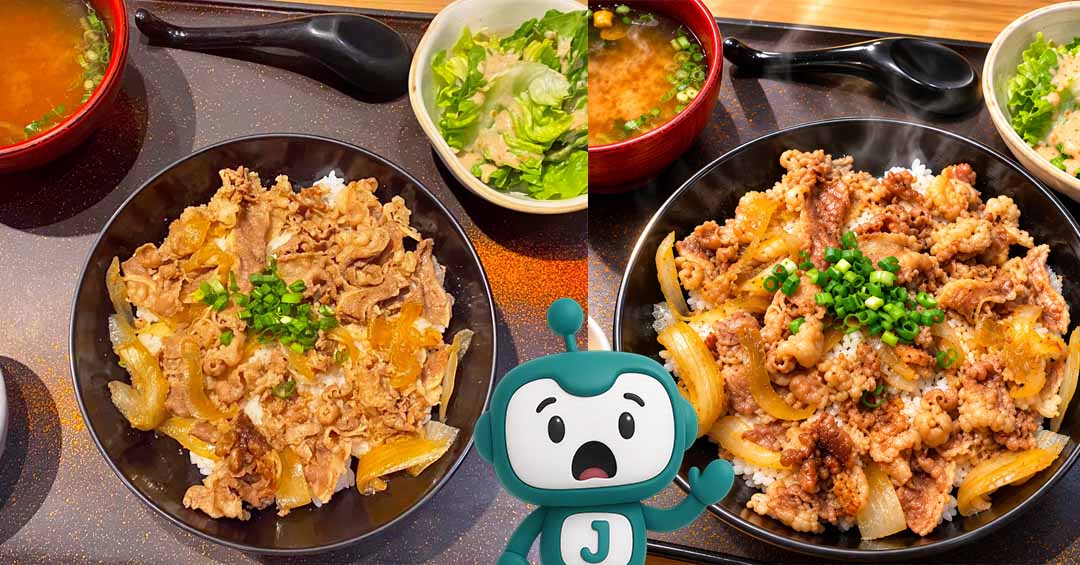
Food Photos Should Look Good, but They Should Still Look Real
Let’s be honest: food photos are supposed to make people hungry. Nobody wants to look at a menu and see a dish that looks dull and unappetising.
But there’s a difference between making food look good and making it look like something it isn’t.
Think about a few common examples:
- Fried chicken: It should look crispy, not covered in strange, repetitive bumps.
- Steak and grilled meat: The browning and texture should look natural, rather than overly smooth or shiny.
- Noodles and curry: The ingredients should look like they belong together, and the sauce should have a believable texture.
- Cakes and desserts: Cream, icing, and fruit should look realistic, not strangely smooth or oddly shaped.
- Packaged food: The product, packaging, and important label details should match what customers will actually receive.
AI can help improve a photo, but if the final image changes the food too much, it defeats the purpose.
This is especially important for food manufacturers. A product photo isn’t just there to look attractive. It also helps potential customers, distributors, and business partners understand what you make and what they can expect from your products.
For more ideas on presenting food products online, take a look at our guide on choosing the right website for the food industry.
2 Ways to Create Food Images: Which One Should You Choose?
When creating AI Food Images, businesses generally have two options: generate an image entirely with AI, or take a photo of the actual product and use AI to improve it.
Both approaches can produce attractive visuals. However, for food manufacturers and suppliers, the key question is simple: does the image still look like the product you’re actually selling?
Let’s look at the differences.
1. Fully AI-Generated Food Images
This is when you use a text prompt to generate a food image without starting with a photo of your actual product.
It’s fast, convenient, and gives you plenty of room to experiment. You can try different backgrounds, lighting styles, and compositions without arranging a photoshoot.
Sounds great, right? But there’s a catch.
AI might add ingredients that aren’t in your product, change the food’s texture, or create a shape that looks nothing like the real thing. Sometimes, the image looks impressive at first, but a closer look reveals strange details.
For food manufacturers, this can become a problem when the image is used to represent an actual product. Customers and potential business partners need to know what they’re looking at. If the image looks too different from the real product, it may create confusion or unrealistic expectations.
Fully AI-generated images can be useful for creative concepts, mood boards, and illustrative content. However, be careful when using them to represent products you actually sell.
2. Real Product Photography Enhanced with AI
One practical approach to AI Food Photography is to start with a photo of your actual food product, then use AI to improve the lighting, background, and overall presentation.
You can take the photo yourself, even with a phone. The key difference? The real product is still the starting point.
For example, you could photograph your packaged snacks, frozen food, sauces, biscuits, or other food products. AI can then help create a cleaner background, improve the lighting, or give the image a more polished look.
Your product remains the focus, while the surrounding visual elements become more attractive.
Of course, the final image still needs to be checked. AI editing can sometimes change important details, so make sure the product’s appearance, packaging, and labels remain accurate.
For food manufacturers, this approach can be especially useful for product catalogues, company websites, online listings, and marketing materials. It helps you present your products professionally without making them look like something else.
The goal isn’t to let AI redesign your product. It’s to let AI improve how your real product is presented.
For a practical example, check out our Facebook post about using AI to enhance real food product photos.
How Should Food Manufacturers Use AI Food Images?
For food manufacturers and suppliers, AI Food Images can be useful for different purposes, from product catalogues to social media content. The important thing is to choose the right approach for each use and make sure the images still represent your real products accurately.
- Product catalogues and company websites: Use clear photos of your actual products so potential buyers can see what you offer.
- Packaging and product listings: Make sure the product appearance, packaging, and labels match the real item.
- Social media and promotional content: AI can help improve backgrounds, lighting, and visual style, as long as the product itself remains accurate.
- Creative campaigns: Fully AI-generated images can be useful when you’re illustrating an idea rather than showing an exact product.
You don’t need an expensive photoshoot for every image. Start with a clear photo of the real product, then use AI to improve the presentation where it makes sense.
The important thing is to know when creative freedom is useful and when product accuracy matters more.
Before Publishing AI Food Images, Check These Things
Before publishing AI Food Images, whether fully AI-generated or enhanced from real product photos, take a moment to check the details. A picture may look beautiful, but it should still look natural and match the actual product.
Here’s a simple checklist:
- Product appearance: Does the image still look like your actual product?
- Ingredients and texture: Has AI added, removed, or changed anything important?
- Packaging and labels: Are the product name, packaging, and other details accurate?
- Colour and lighting: Does the image look attractive without making the product appear misleading?
- Portion size: Does the image give a realistic impression of the amount of food?
- Intended use: Is the image suitable for a product catalogue, website, social media post, or advertisement?
One more tip: check the image at the size people will actually see it. Some odd details are easy to miss in a small thumbnail but become obvious when the image is enlarged.
And if the image is meant to represent a real food product, it’s worth asking someone who knows the product well to review it before publishing.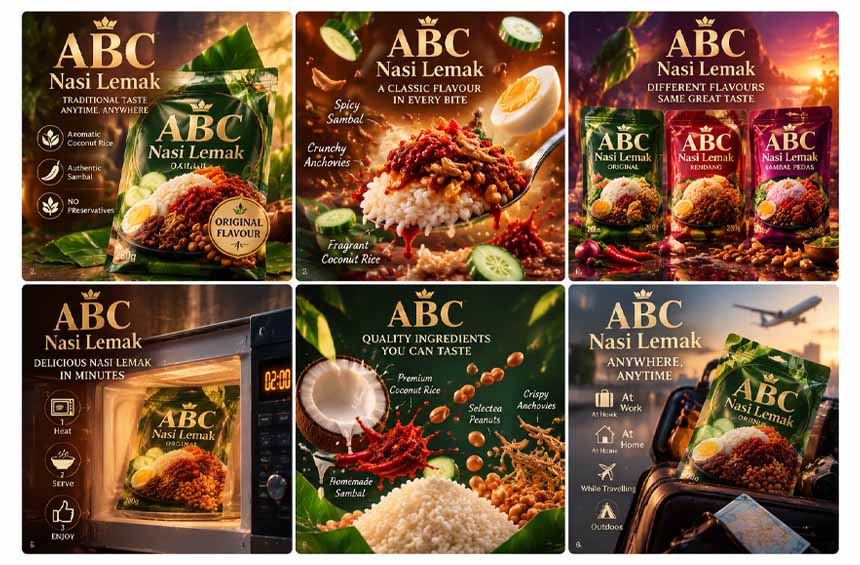
Let AI Improve Your Product Images, Not Change Your Product
AI Food Images can be impressive. They can help businesses explore creative ideas, produce visuals more quickly, and improve certain parts of a photo.
But a beautiful image isn’t automatically a good image for every purpose.
If you’re creating a creative concept, you may have more room to experiment. If you’re showing a real food product, especially one sold to customers or business buyers, accuracy becomes much more important.
For food manufacturers, good product images do more than make food look appealing. They help potential buyers understand what your company makes, what your products look like, and what they can expect from your business.
After all, if your product photo doesn’t look like the real product, how can customers feel confident about what they’re buying?
Use AI to add value to your product photos, not to make customers wonder whether the product in the picture is the same one they’ll receive.
If you’re also looking to improve how your products and manufacturing capabilities are presented online, explore Jpress website development services.
AI should make your products look better, not make people struggle to recognise them.

Why Do Some AI Food Images Look So Strange?
Have you ever looked at an AI-generated food image and thought, “Wait, why does that look so weird?”
I’ve seen quite a few AI Food Images lately, and some of them look amazing at first glance. But the longer you look, the stranger they get. Fried chicken with a surface full of tiny bumps, steak that looks a little too shiny, or desserts that seem almost too perfect to be real.
While AI Food Images can look impressive, they don’t always get the details right. And when it comes to food, those little details can make a big difference.
So, why do some AI food images look strange? Let’s take a closer look.
5 Common Reasons AI Food Images Look Strange
1. The Food Texture Looks Wrong
One common problem with AI Food Images is that the food texture doesn’t always look right. You know how crispy fried chicken should look crunchy, with an uneven coating? Or how a freshly baked cake should look soft and moist?
Sometimes, AI gets these textures wrong. The surface of fried chicken might look like tiny bubbles instead of crispy skin. Meat might look unusually smooth, almost like plastic, while bread or pastries may have strange patterns that don’t look natural.
These details might seem small, but they can change the whole impression of an image. Even if the lighting and colours look great, an unnatural texture can make the food look less appetising.
2. The Shapes Just Don’t Make Sense
Food doesn’t usually come in perfectly identical shapes. Vegetables have natural variations, noodles overlap in different ways, and pieces of meat have their own unique textures.
AI-generated food images don’t always get these details right. You might see noodles that seem to melt into each other, ingredients with unusual shapes, or pieces of meat that look a little too strange to be real.
At first, you might not notice anything wrong. But once you look more closely, something just feels off.
And that’s often what makes an AI food image look weird. It isn’t necessarily the whole picture. Sometimes, it’s just one or two details that don’t make sense.
3. Everything Looks a Little Too Perfect
There’s nothing wrong with a beautiful food photo. Good lighting, thoughtful styling, and a nice composition can make almost any dish look more appealing.
But sometimes, AI takes things a little too far.
A burger might have perfectly arranged ingredients, a cake might have decorations that look almost identical, and every item on the plate might look flawless. Instead of making the food look delicious, the image can start to feel more like a digital illustration.
Real food has little imperfections, and that’s perfectly normal. Those small differences can make a dish look more natural and believable.
The goal isn’t to make food look messy. It’s to make sure it still looks like something you could actually order and eat.
4. The Colours and Shine Look Unrealistic
A little shine can make grilled meat look juicy, and the right colours can make vegetables look fresh. But too much of either can make food look strange.
For example, fried chicken might look unusually orange, vegetables might appear almost neon, or a steak might have a glossy surface that looks more like plastic than meat.
Sometimes, the lighting also feels wrong. The highlights may be too strong, or the shadows may not match the way the food would normally look.
These effects can make AI Food Images stand out, but not always in the way you want. When food starts looking artificial instead of appetising, something has probably gone too far.
5. The Image Doesn’t Match the Real Product
Another issue with AI Food Images is that they don’t always match the real product. This matters even more for food manufacturers and suppliers who use these images on company websites, product catalogues, and sales materials.
AI might add ingredients that aren’t actually in a dish, change the size of a portion, or create packaging that looks different from the real product.
Imagine a bowl of noodles with extra toppings that aren’t included in the actual order. Or a packaged snack that looks completely different from the item customers receive.
The image might look great, but it can also give people the wrong idea about what they’re buying.
For food manufacturers and suppliers, product accuracy matters. Potential buyers need to understand what your business actually offers, especially when images are used in product catalogues, company websites, or sales materials.
Food Photos Should Look Good, but They Should Still Look Real
Let’s be honest: food photos are supposed to make people hungry. Nobody wants to look at a menu and see a dish that looks dull and unappetising.
But there’s a difference between making food look good and making it look like something it isn’t.
Think about a few common examples:
- Fried chicken: It should look crispy, not covered in strange, repetitive bumps.
- Steak and grilled meat: The browning and texture should look natural, rather than overly smooth or shiny.
- Noodles and curry: The ingredients should look like they belong together, and the sauce should have a believable texture.
- Cakes and desserts: Cream, icing, and fruit should look realistic, not strangely smooth or oddly shaped.
- Packaged food: The product, packaging, and important label details should match what customers will actually receive.
AI can help improve a photo, but if the final image changes the food too much, it defeats the purpose.
This is especially important for food manufacturers. A product photo isn’t just there to look attractive. It also helps potential customers, distributors, and business partners understand what you make and what they can expect from your products.
For more ideas on presenting food products online, take a look at our guide on choosing the right website for the food industry.
2 Ways to Create Food Images: Which One Should You Choose?
When creating AI Food Images, businesses generally have two options: generate an image entirely with AI, or take a photo of the actual product and use AI to improve it.
Both approaches can produce attractive visuals. However, for food manufacturers and suppliers, the key question is simple: does the image still look like the product you’re actually selling?
Let’s look at the differences.
1. Fully AI-Generated Food Images
This is when you use a text prompt to generate a food image without starting with a photo of your actual product.
It’s fast, convenient, and gives you plenty of room to experiment. You can try different backgrounds, lighting styles, and compositions without arranging a photoshoot.
Sounds great, right? But there’s a catch.
AI might add ingredients that aren’t in your product, change the food’s texture, or create a shape that looks nothing like the real thing. Sometimes, the image looks impressive at first, but a closer look reveals strange details.
For food manufacturers, this can become a problem when the image is used to represent an actual product. Customers and potential business partners need to know what they’re looking at. If the image looks too different from the real product, it may create confusion or unrealistic expectations.
Fully AI-generated images can be useful for creative concepts, mood boards, and illustrative content. However, be careful when using them to represent products you actually sell.
2. Real Product Photography Enhanced with AI
One practical approach to AI Food Photography is to start with a photo of your actual food product, then use AI to improve the lighting, background, and overall presentation.
You can take the photo yourself, even with a phone. The key difference? The real product is still the starting point.
For example, you could photograph your packaged snacks, frozen food, sauces, biscuits, or other food products. AI can then help create a cleaner background, improve the lighting, or give the image a more polished look.
Your product remains the focus, while the surrounding visual elements become more attractive.
Of course, the final image still needs to be checked. AI editing can sometimes change important details, so make sure the product’s appearance, packaging, and labels remain accurate.
For food manufacturers, this approach can be especially useful for product catalogues, company websites, online listings, and marketing materials. It helps you present your products professionally without making them look like something else.
The goal isn’t to let AI redesign your product. It’s to let AI improve how your real product is presented.
For a practical example, check out our Facebook post about using AI to enhance real food product photos.
How Should Food Manufacturers Use AI Food Images?
For food manufacturers and suppliers, AI Food Images can be useful for different purposes, from product catalogues to social media content. The important thing is to choose the right approach for each use and make sure the images still represent your real products accurately.
- Product catalogues and company websites: Use clear photos of your actual products so potential buyers can see what you offer.
- Packaging and product listings: Make sure the product appearance, packaging, and labels match the real item.
- Social media and promotional content: AI can help improve backgrounds, lighting, and visual style, as long as the product itself remains accurate.
- Creative campaigns: Fully AI-generated images can be useful when you’re illustrating an idea rather than showing an exact product.
You don’t need an expensive photoshoot for every image. Start with a clear photo of the real product, then use AI to improve the presentation where it makes sense.
The important thing is to know when creative freedom is useful and when product accuracy matters more.
Before Publishing AI Food Images, Check These Things
Before publishing AI Food Images, whether fully AI-generated or enhanced from real product photos, take a moment to check the details. A picture may look beautiful, but it should still look natural and match the actual product.
Here’s a simple checklist:
- Product appearance: Does the image still look like your actual product?
- Ingredients and texture: Has AI added, removed, or changed anything important?
- Packaging and labels: Are the product name, packaging, and other details accurate?
- Colour and lighting: Does the image look attractive without making the product appear misleading?
- Portion size: Does the image give a realistic impression of the amount of food?
- Intended use: Is the image suitable for a product catalogue, website, social media post, or advertisement?
One more tip: check the image at the size people will actually see it. Some odd details are easy to miss in a small thumbnail but become obvious when the image is enlarged.
And if the image is meant to represent a real food product, it’s worth asking someone who knows the product well to review it before publishing.
Let AI Improve Your Product Images, Not Change Your Product
AI Food Images can be impressive. They can help businesses explore creative ideas, produce visuals more quickly, and improve certain parts of a photo.
But a beautiful image isn’t automatically a good image for every purpose.
If you’re creating a creative concept, you may have more room to experiment. If you’re showing a real food product, especially one sold to customers or business buyers, accuracy becomes much more important.
For food manufacturers, good product images do more than make food look appealing. They help potential buyers understand what your company makes, what your products look like, and what they can expect from your business.
After all, if your product photo doesn’t look like the real product, how can customers feel confident about what they’re buying?
Use AI to add value to your product photos, not to make customers wonder whether the product in the picture is the same one they’ll receive.
If you’re also looking to improve how your products and manufacturing capabilities are presented online, explore Jpress website development services.
AI should make your products look better, not make people struggle to recognise them.


