



Why SSL Certificate Matters for Your Business Website
Quick Answer
An SSL Certificate Business Website setup isn’t just a technical checkbox anymore — it’s about to become unavoidable. Google has confirmed that starting with Chrome 154 in October 2026, the browser will enable “Always Use Secure Connections” by default for all users, meaning Chrome will warn visitors before letting them load any public website that doesn’t use HTTPS. If your business website is still running on plain HTTP, your customers are going to start seeing a security warning before they can even reach your homepage.
Understanding why SSL matters for websites isn’t just about avoiding a scary browser message, though — it affects customer trust, search visibility, and increasingly, whether people can access your site smoothly at all.
SSL Certificate Business Website: 5 Essential Reasons It Matters Now
If you only read one section, make it this one:
- Chrome is about to warn visitors on non-HTTPS sites by default.Starting April 2026 for Enhanced Safe Browsing users, and expanding to everyone globally with Chrome 154 in October 2026, Chrome will prompt users before loading any public site without SSL.
- It affects whether customers trust your business at all.A browser security warning appearing before someone even sees your homepage is a fast way to lose a potential customer’s confidence.
- Google has treated HTTPS as a ranking signal for over a decade.This isn’t new, but it’s becoming more consequential as browsers actively surface the difference to users.
- It protects data submitted through your site.Contact forms, booking forms, and login pages without SSL transmit data without encryption, leaving it exposed to interception.
- Fixing it is genuinely simple and often free.Unlike many technical fixes, adding an SSL certificate is usually quick, inexpensive, and something most hosting providers or developers can set up without a major rebuild.
Why SSL Matters for Websites
At its core, an SSL certificate encrypts the connection between a visitor’s browser and your website’s server. Without it, data travelling between the two — including anything typed into a form — can potentially be intercepted or altered by someone else on the same network, particularly on public Wi-Fi.
This is exactly why SSL matters for websites that collect any kind of information, whether that’s a simple contact form, a newsletter signup, or an online booking system. It’s not just about protecting sensitive payment details — even a basic enquiry form on an unsecured site is technically exposed.
Beyond security itself, why SSL matters for websites today also comes down to visibility. Google has used HTTPS as a ranking signal since 2014, and while it’s one of many factors rather than a guaranteed boost, sites without it are working against themselves compared to competitors who’ve already made the switch.
What’s Changing in Chrome (And Why the Timing Matters)

This is the part that makes SSL more urgent than it’s ever been. According to Google’s official Security Blog, Chrome is rolling out “Always Use Secure Connections” as a default setting in two phases: first in April 2026 for the more than one billion users already enrolled in Enhanced Safe Browsing, and then globally for all Chrome users with the release of Chrome 154 in October 2026.
In practice, this means Chrome will attempt to load every public website over HTTPS automatically, and if a site doesn’t support it, users will see a warning and have to actively choose to proceed anyway. Google’s own early testing found that fewer than 3% of site visits triggered this warning during trials — but if your business website happens to be in that small percentage, that’s still every visitor who arrives via Chrome seeing a red flag before they even reach your content.
For businesses that haven’t prioritised this yet, the practical deadline is no longer abstract. It’s tied to a specific browser release date, and Chrome remains the most widely used browser among Malaysian internet users.
Website Security Malaysia: What Business Owners Should Check
If you’re not sure whether your website is already covered, a few quick things to check:
- Does your website URL start with https:// rather than just http://?
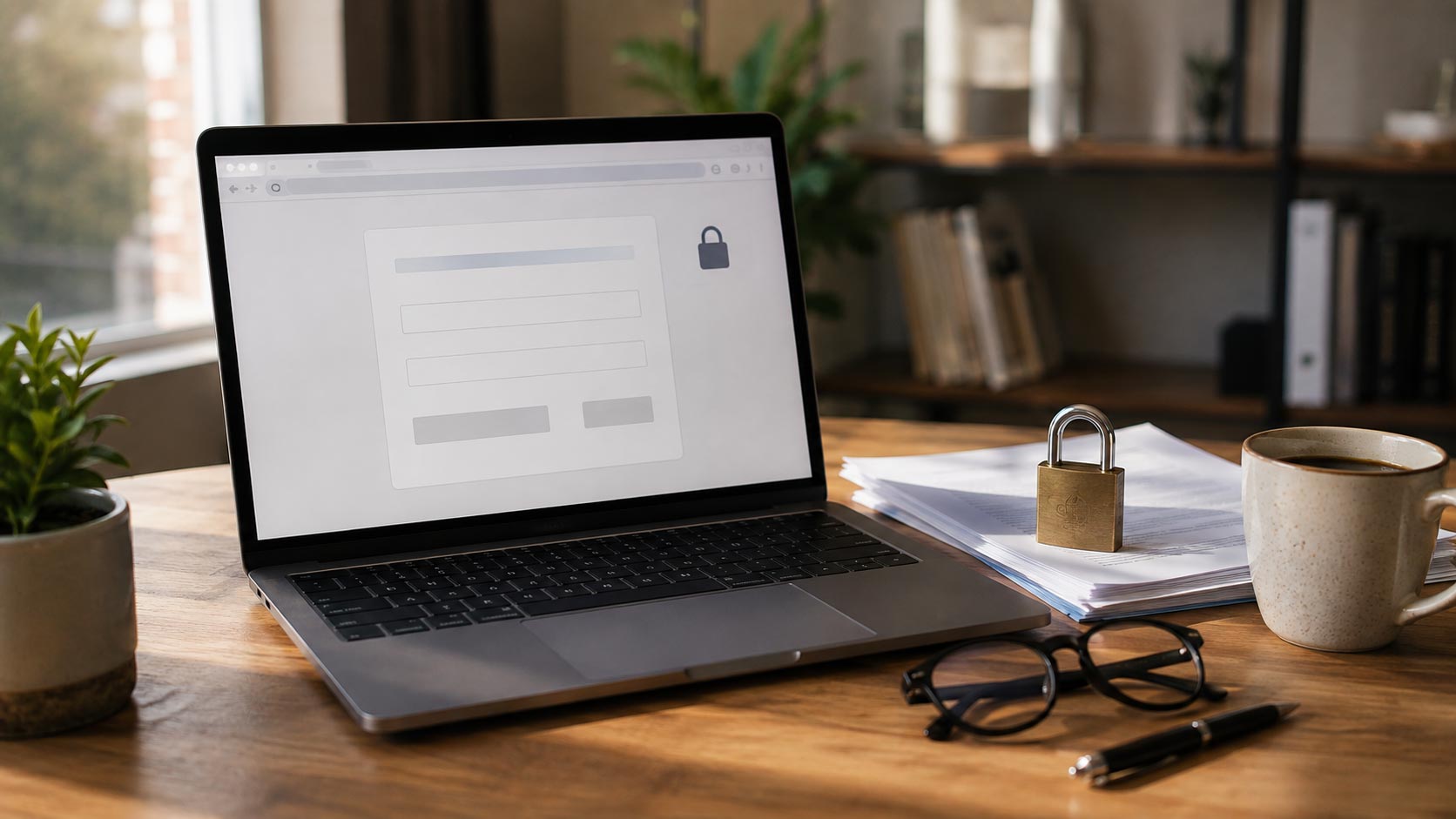
- Does your browser show a padlock icon next to your web address?
- If you click that padlock, does it show a valid, unexpired certificate?
If any of these come back uncertain or negative, it’s worth raising with whoever manages your website, or working with a professional website development team to get it resolved before Chrome’s global rollout in October. This is also a good moment to review your site more broadly — SSL is one item on a longer essential website checklist that’s worth revisiting periodically, especially since security gaps are sometimes part of the reason behind websites that aren’t showing up on Google as well as they should.
Website security Malaysia conversations are only going to become more common as this Chrome change rolls out — getting ahead of it now avoids a last-minute scramble later in the year.
Final Thoughts
An SSL Certificate Business Website setup used to be something businesses could reasonably postpone. With Chrome’s global rollout of default HTTPS warnings arriving in October 2026, that’s no longer really true. Understanding why SSL matters for websites — for security, for trust, and now for basic browser access — is a small piece of technical housekeeping that’s worth resolving well before the deadline arrives, rather than after customers start seeing warnings on their own.

Why SSL Certificate Matters for Your Business Website
Quick Answer
An SSL Certificate Business Website setup isn’t just a technical checkbox anymore — it’s about to become unavoidable. Google has confirmed that starting with Chrome 154 in October 2026, the browser will enable “Always Use Secure Connections” by default for all users, meaning Chrome will warn visitors before letting them load any public website that doesn’t use HTTPS. If your business website is still running on plain HTTP, your customers are going to start seeing a security warning before they can even reach your homepage.
Understanding why SSL matters for websites isn’t just about avoiding a scary browser message, though — it affects customer trust, search visibility, and increasingly, whether people can access your site smoothly at all.
SSL Certificate Business Website: 5 Essential Reasons It Matters Now
If you only read one section, make it this one:
- Chrome is about to warn visitors on non-HTTPS sites by default.Starting April 2026 for Enhanced Safe Browsing users, and expanding to everyone globally with Chrome 154 in October 2026, Chrome will prompt users before loading any public site without SSL.
- It affects whether customers trust your business at all.A browser security warning appearing before someone even sees your homepage is a fast way to lose a potential customer’s confidence.
- Google has treated HTTPS as a ranking signal for over a decade.This isn’t new, but it’s becoming more consequential as browsers actively surface the difference to users.
- It protects data submitted through your site.Contact forms, booking forms, and login pages without SSL transmit data without encryption, leaving it exposed to interception.
- Fixing it is genuinely simple and often free.Unlike many technical fixes, adding an SSL certificate is usually quick, inexpensive, and something most hosting providers or developers can set up without a major rebuild.
Why SSL Matters for Websites
At its core, an SSL certificate encrypts the connection between a visitor’s browser and your website’s server. Without it, data travelling between the two — including anything typed into a form — can potentially be intercepted or altered by someone else on the same network, particularly on public Wi-Fi.
This is exactly why SSL matters for websites that collect any kind of information, whether that’s a simple contact form, a newsletter signup, or an online booking system. It’s not just about protecting sensitive payment details — even a basic enquiry form on an unsecured site is technically exposed.
Beyond security itself, why SSL matters for websites today also comes down to visibility. Google has used HTTPS as a ranking signal since 2014, and while it’s one of many factors rather than a guaranteed boost, sites without it are working against themselves compared to competitors who’ve already made the switch.
What’s Changing in Chrome (And Why the Timing Matters)
This is the part that makes SSL more urgent than it’s ever been. According to Google’s official Security Blog, Chrome is rolling out “Always Use Secure Connections” as a default setting in two phases: first in April 2026 for the more than one billion users already enrolled in Enhanced Safe Browsing, and then globally for all Chrome users with the release of Chrome 154 in October 2026.
In practice, this means Chrome will attempt to load every public website over HTTPS automatically, and if a site doesn’t support it, users will see a warning and have to actively choose to proceed anyway. Google’s own early testing found that fewer than 3% of site visits triggered this warning during trials — but if your business website happens to be in that small percentage, that’s still every visitor who arrives via Chrome seeing a red flag before they even reach your content.
For businesses that haven’t prioritised this yet, the practical deadline is no longer abstract. It’s tied to a specific browser release date, and Chrome remains the most widely used browser among Malaysian internet users.
Website Security Malaysia: What Business Owners Should Check
If you’re not sure whether your website is already covered, a few quick things to check:
- Does your website URL start with https:// rather than just http://?
- Does your browser show a padlock icon next to your web address?
- If you click that padlock, does it show a valid, unexpired certificate?
If any of these come back uncertain or negative, it’s worth raising with whoever manages your website, or working with a professional website development team to get it resolved before Chrome’s global rollout in October. This is also a good moment to review your site more broadly — SSL is one item on a longer essential website checklist that’s worth revisiting periodically, especially since security gaps are sometimes part of the reason behind websites that aren’t showing up on Google as well as they should.
Website security Malaysia conversations are only going to become more common as this Chrome change rolls out — getting ahead of it now avoids a last-minute scramble later in the year.
Final Thoughts
An SSL Certificate Business Website setup used to be something businesses could reasonably postpone. With Chrome’s global rollout of default HTTPS warnings arriving in October 2026, that’s no longer really true. Understanding why SSL matters for websites — for security, for trust, and now for basic browser access — is a small piece of technical housekeeping that’s worth resolving well before the deadline arrives, rather than after customers start seeing warnings on their own.


